Designed to Disappear: The Deliberate Science Behind Truly Secluded Island Resorts
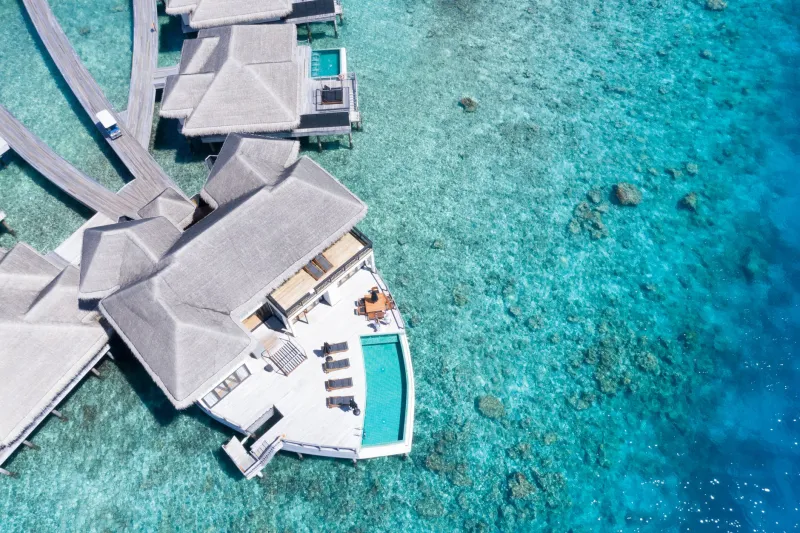
There is a particular quality of silence that only reveals itself when everything else has been carefully removed. No distant highway. No neighboring balcony. No ambient hum of a hotel corridor. For travelers who have spent years pursuing that silence, the discovery is almost always the same: it did not happen by accident. It was built.
The most sought-after island retreats in the world—whether anchored in the Maldivian atolls, scattered across French Polynesia, or tucked into the quieter corners of the Caribbean—share a common foundation. Beneath their seemingly effortless atmosphere of escape lies an intricate architecture of physical design, logistical choreography, and quietly deployed technology. The seclusion you feel upon arrival is the product of decisions made years before your boat ever left the mainland dock.
For American travelers accustomed to evaluating luxury by visible amenities, this invisible infrastructure often goes unexamined. That is a costly oversight. Learning to read the design language of true seclusion is one of the most reliable ways to distinguish a resort that genuinely delivers privacy from one that has simply learned to photograph well.
The Geography of Intentional Distance
The first and most consequential design decision any island resort makes is spatial: where, precisely, to place each accommodation relative to every other. At the highest tier of island hospitality, this is not a matter of maximizing ocean views or minimizing construction costs. It is a deliberate exercise in acoustic and visual separation.
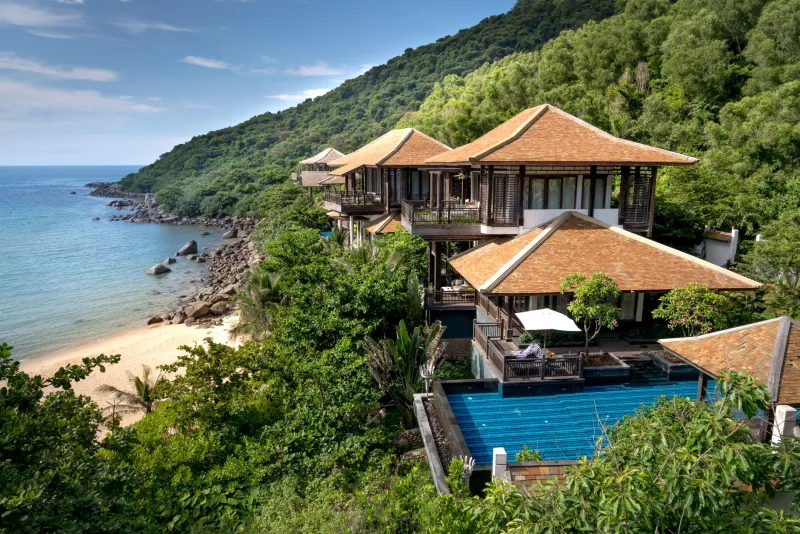
Leading properties routinely commission topographical studies before a single foundation is poured. Natural ridgelines, mature vegetation corridors, and the prevailing direction of trade winds all factor into villa placement. The goal is that a guest stepping onto their terrace at dawn should encounter no evidence—visual, auditory, or olfactory—that another human being occupies the same island.
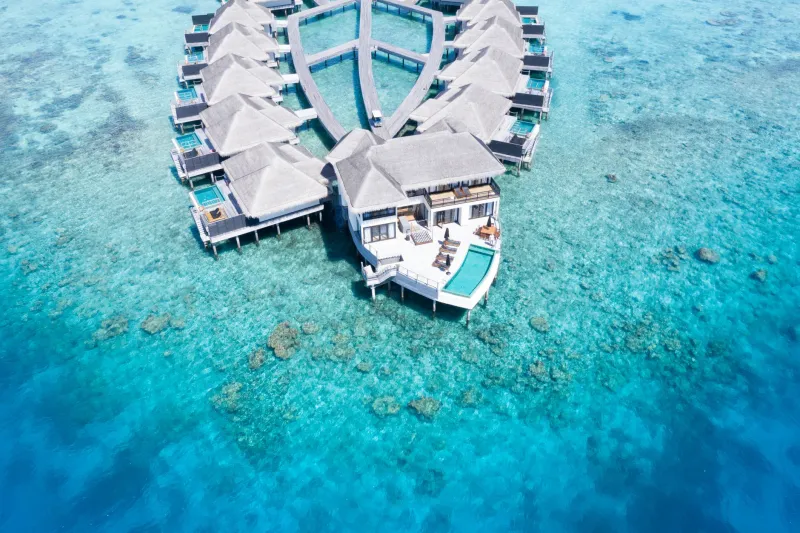
This requires genuine acreage. A resort offering twenty villas across forty acres is operating on fundamentally different principles than one compressing the same inventory onto eight. Density ratios, rarely advertised in marketing materials, are among the most telling metrics a prospective guest can request. Properties that readily share this figure tend to be the ones with nothing to hide.
The Hidden Choreography of Arrival and Departure
Seclusion begins before a guest sets foot on the property. The transfer experience—whether by seaplane, private tender, or helicopter—is not merely a logistical necessity. It is the first act of a carefully staged transition, designed to incrementally dissolve the traveler's connection to the world they are leaving behind.
Top-tier resorts manage their transfer schedules with the same attention they bring to dinner reservations. Arrivals are staggered. Multiple parties rarely converge at a dock simultaneously. When they do, the spatial design of the arrival pavilion ensures that one guest's entrance does not intrude upon another's quiet departure. The choreography is invisible precisely because it functions correctly.
Supply logistics present a parallel challenge. Provisions, staff rotations, and maintenance equipment must reach the island regularly, yet their transit cannot be permitted to shatter the atmosphere of remoteness. The most sophisticated properties schedule all commercial vessel traffic during the hours least likely to intersect with guest activity—typically the early pre-dawn window—and designate entirely separate landing areas for operational use. Guests may never know a supply boat arrived. That is the intended outcome.
Beach Access as a Privacy Instrument
The beach is where seclusion is most frequently promised and most commonly compromised. A shoreline that feels private at seven in the morning can feel uncomfortably public by eleven, not because the population has changed, but because the design has failed.
Resorts that take this seriously approach beach access as a controlled variable rather than a shared amenity. Private beach frontage, allocated per villa or per suite category, removes the competitive element entirely. When a guest does not need to arrive early to claim a preferred position, the beach ceases to be a resource and becomes an extension of their private residence.
Beyond allocation, the physical shaping of the shoreline matters considerably. Curved bays create natural visual enclosures. Planted buffer zones between beach sections interrupt sightlines without requiring fencing. Shallow reef formations, where they occur naturally, establish psychological boundaries that feel organic rather than imposed. The finest properties work with these geographical features rather than against them, allowing the landscape itself to perform the work of separation.
Connectivity That Remains Invisible
Perhaps the most sophisticated tension in the design of secluded island resorts is the one between genuine remoteness and genuine safety. American travelers in particular—accustomed to the ambient reassurance of cell coverage and rapid emergency response—often approach true isolation with an unspoken anxiety that no amount of architectural beauty fully resolves.
The resorts that navigate this tension most effectively do so by making their connectivity infrastructure essentially invisible during ordinary circumstances while ensuring it functions flawlessly when required. Satellite communications systems capable of supporting telemedicine consultations, emergency evacuations, and real-time weather monitoring operate continuously in the background. Guests may never interact with them directly. That invisibility is the point.
Medical response protocols at leading properties have grown considerably more sophisticated in recent years. Dedicated first-responder staff, defibrillators housed in unobtrusive locations, and pre-established relationships with mainland medical facilities are now standard at the top tier. Some properties in more distant locations maintain their own medical suites and retain physicians on staff during peak season. The capability exists not to be advertised, but to be available.
Technology as a Silent Attendant
Beyond emergency preparedness, technology shapes the secluded experience in subtler ways. The absence of visible service infrastructure—no front desk, no lobby queue, no printed daily schedule slipped under a door—is itself a design achievement, made possible by the discreet deployment of property management systems that anticipate guest needs before they are articulated.
Villa tablets and app-based communication platforms allow guests to interact with staff entirely on their own terms, without the intrusion of a ringing telephone or an unannounced knock. Sensor-based environmental controls adjust lighting and climate automatically. Dining requests can be submitted and fulfilled without a single verbal exchange if the guest prefers it that way.
This ambient responsiveness—service that appears to occur without being summoned—is the experiential hallmark of a property that has integrated its technology thoughtfully. When it functions correctly, guests do not notice the technology at all. They simply notice that everything they needed arrived precisely when they wanted it.
What to Ask Before You Book
For travelers planning their next significant island escape, the questions worth posing go beyond room categories and meal plans. Ask about the villa-to-acreage ratio. Inquire whether beach sections are allocated or shared. Request specifics on transfer scheduling and whether commercial supply vessels use separate facilities. Ask how the property handles medical emergencies and what connectivity infrastructure supports remote guests.
A resort genuinely committed to the architecture of seclusion will answer these questions with confidence and specificity. One that deflects or offers only marketing language is likely selling the photograph rather than the experience.
True seclusion, as the most experienced island travelers understand, is never accidental. It is the sum of a hundred deliberate decisions, most of them invisible, all of them working in concert to produce the one thing no amenity list can fully capture: the profound, uncomplicated feeling of having genuinely disappeared.