Permits, Coral, and the New Currency of Access: Lessons From Oman's Protected Archipelago
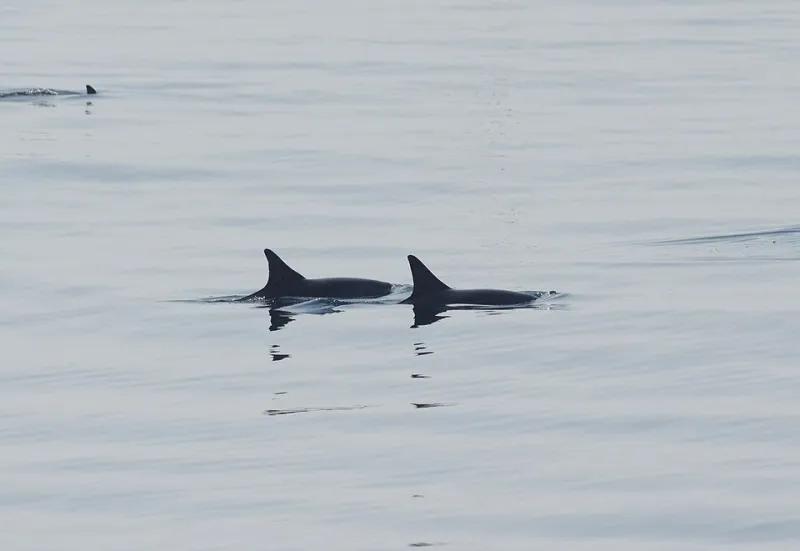
Photo: (c) Thibaud Aronson, some rights reserved (CC BY-SA), CC BY-SA 4.0, via Wikimedia Commons
There is a particular irony in luxury travel's newest obsession: the most coveted amenity in the world right now is not a marble bathroom or a private plunge pool. It is a permit.
Nine kilometers off the Al Batinah coast of Oman, the Daymaniyat Islands have spent decades operating on exactly this principle. The archipelago — nine limestone islands fringed by some of the healthiest coral in the Arabian Sea — is a nature reserve. Diving and snorkeling are permitted only with authorization, visitor numbers are capped, and overnight stays are prohibited outright. The result is a reef system that looks, in the words of one veteran dive operator, "like the Caribbean must have looked in 1950."
For American travelers accustomed to measuring luxury in square footage and star ratings, the Daymaniyat model offers a radical reframing: the scarcest resource on Earth is no longer exclusivity of service. It is exclusivity of place.
Why Density Is the New Deficit
The luxury hospitality industry has a metric problem. Resorts advertise guest-to-staff ratios, villa counts, and spa square meters — but almost never the number that matters most to the long-term experience: guests per hectare of natural environment.
Low-density travel is not merely a comfort preference. On fragile marine ecosystems, it is the difference between a reef that thrives and one that quietly dies under the weight of sunscreen, anchors, and fins. The Daymaniyats' permit system, administered by Oman's environment authorities, exists precisely because the archipelago is a critical nesting site for green and hawksbill turtles and a seasonal haven for whale sharks. Access is rationed because the environment cannot be replaced.
This is the emerging template. From the Chagos-adjacent atolls of the Indian Ocean to private concessions in the Coral Triangle, the world's most forward-thinking destinations are adopting versions of the same rule: fewer visitors, better vetted, at a higher standard of conduct.
The Questions That Separate Stewards from Exploiters
For the discerning traveler, the challenge is distinguishing genuine conservation from sophisticated marketing. Before booking any resort or operator that markets itself as "pristine" or "untouched," ask four questions.
First: Is there a hard cap, and who enforces it? A resort that says it "limits excursions" has said nothing. Ask for numbers — daily boat departures, maximum snorkelers per site, seasonal visitor totals. Legitimate operators answer readily.
Second: What happens to the money? Park fees, permit costs, and conservation levies should flow to documented management — ranger patrols, mooring buoy installation, coral monitoring programs. If a "marine protection fee" disappears into a general ledger, treat the claim skeptically.
Third: Are the guides certified naturalists? The difference between a resort dive instructor and a trained marine naturalist is the difference between a boat ride and an education. The finest properties in the Maldives, Seychelles, and Oman employ resident biologists who lead reef walks and publish their own monitoring data.
Fourth: Can you see the evidence? Coral cover percentages, fish census results, turtle nesting counts — genuine stewards track these numbers and share them, sometimes to their own short-term marketing disadvantage.
Experiencing the Daymaniyats the Right Way
American travelers typically reach Oman via a single connection through Dubai or Doha, arriving in Muscat before transferring to a coastal departure point near Al Sawadi or the marinas of Al Mouj. Day trips run from October through May, avoiding the summer heat and the turtle nesting closures. The reef at Aquarium — a name that requires no explanation — delivers visibility that routinely exceeds twenty meters.
Because overnight accommodation on the islands is forbidden, the luxury experience lives onshore: the Al Nahda resort in the Al Hajar foothills, or the boutique properties of Muscat's coastline, paired with private speedboat charters that hold the necessary reserve permits.
A Shortlist of Kindred Destinations
Travelers who fall for the Daymaniyat model have options closer to the American time zones, provided they apply the same scrutiny:
- Bonaire's marine park, the Caribbean's oldest continuously managed reef, where a mandatory nature fee funds decades of documented stewardship.
- Palau's Rock Islands, where the famous "Palau Pledge" — a mandatory conservation oath stamped into every visitor's passport — sets a global benchmark for managed access.
- Australia's Lady Elliot Island, a solar-powered eco-resort on the southern Great Barrier Reef that caps its guest count at fewer than 40 rooms for the entire cay.
Each proves the same thesis the Daymaniyats have quietly demonstrated for decades: the future of ultra-luxury travel belongs not to those who build the most, but to those who permit the least.