Resort Amenities Decoded: What Truly Defines Island Luxury and What Is Simply Window Dressing
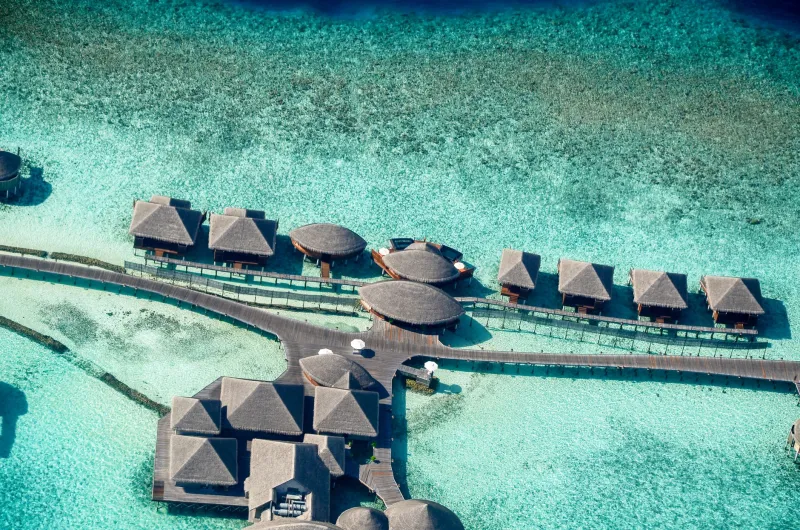
Every luxury island resort tells a story about itself before you ever set foot on its shores. That story is told through carefully chosen words, curated photography, and a list of amenities designed to evoke aspiration. But for the traveler who has experienced true refinement — who has felt the difference between a resort that performs luxury and one that delivers it — the language of resort marketing is a code worth learning to read.
The challenge is that the hospitality industry has grown extraordinarily sophisticated in its presentation. Terms that once implied genuine exclusivity have been so broadly adopted that they have lost much of their meaning. "World-class," "bespoke," "unparalleled" — these are adjectives that appear in the marketing materials of resorts charging $500 a night and $5,000 a night alike. The discerning traveler must look past the vocabulary and examine the substance beneath it.
The Staffing Ratio: The Single Most Revealing Metric
If there is one number that communicates more about a resort's commitment to genuine luxury than any other, it is the ratio of staff to guests. Elite island properties — the kind that consistently earn the loyalty of America's most traveled clientele — typically maintain ratios of two to three staff members per guest. Some ultra-exclusive properties exceed that considerably.
This figure rarely appears in brochures, which means you must ask for it directly. A high ratio does not simply mean faster service; it means that the staff have the bandwidth to learn your preferences, anticipate your needs, and respond to unexpected requests without visible strain. When a resort lists "personalized service" as a feature, the staffing ratio is the mechanism that makes that promise real — or reveals it as hollow.
Butler Service: Genuine or Glorified Concierge?
Few amenities are more frequently misrepresented than butler service. On paper, a dedicated butler sounds unambiguously luxurious. In practice, the term covers an enormous spectrum of actual service quality.
At its most authentic, island butler service means a single, professionally trained individual who is assigned exclusively to your villa or suite for the duration of your stay. This person unpacks your luggage, manages your daily schedule, coordinates dining reservations, learns your dietary preferences within hours of arrival, and is reachable at any hour. At its least impressive, "butler service" means a rotating roster of staff members who share a shared phone line and respond to requests with the same efficiency as a standard front desk operation — simply rebranded.
When evaluating this amenity, ask specifically whether your butler will be dedicated solely to your accommodation, how many guests they are simultaneously serving, and what their professional training background includes. The answers will tell you far more than the brochure ever will.
The Spa Square Footage Fallacy
Luxury resorts have long competed on the size of their spa facilities, and the numbers can be genuinely staggering — treatment rooms measured in the dozens, hydrotherapy circuits spanning multiple floors, menus listing fifty or more treatments. American travelers in particular are culturally conditioned to equate scale with quality, which makes this a particularly effective marketing strategy.
But a vast spa with mediocre practitioners is a significantly less valuable experience than an intimate facility staffed by therapists who have trained for years in their specific disciplines. Before booking, investigate the qualifications of the senior therapists, whether the resort employs specialists in particular modalities, and whether treatments are adapted to individual guests or delivered from a standardized script. A resort that can speak specifically and knowledgeably about its practitioners' backgrounds is one that takes the quality of that experience seriously.
Private Beaches: Access vs. Exclusivity
The phrase "private beach" is one of the most liberally applied in resort marketing. In some cases, it genuinely means a stretch of shoreline accessible only to resort guests — a meaningful distinction that provides both privacy and a sense of sanctuary. In other cases, it refers to a designated section of a public beach, cordoned off with branded loungers and staffed by a towel attendant.
For the traveler whose primary desire is seclusion, this distinction is fundamental. Ask how the beach is separated from public access, how many total guests share the beach at peak capacity, and whether the resort holds an exclusive lease on the waterfront or simply reserves a portion of it. True island luxury often means a shore where you may walk for a quarter mile and encounter no one but the staff member who has quietly followed at a respectful distance to refresh your drink.
What "Farm-to-Table" Actually Signals at an Island Resort
Culinary marketing has become its own subspecialty, and island resorts have embraced the language of provenance enthusiastically. "Farm-to-table," "locally sourced," and "artisanal" appear across price points with remarkable consistency. The question worth asking is how much of what appears on your plate genuinely originates within the destination.
At the highest tier of island dining, executive chefs maintain active relationships with local fishermen, cultivate on-property gardens, and adapt menus daily based on what is available rather than what was pre-planned. This approach requires significant operational investment and genuine culinary philosophy. A resort that can tell you the name of the fishing cooperative that supplies its catch, or walk you through their kitchen garden on request, is demonstrating authenticity that marketing language alone cannot manufacture.
The Framework: Four Questions Before You Book
Rather than parsing every line of a resort's amenities list, experienced travelers apply a simple evaluative framework. First: What is the staff-to-guest ratio? Second: Can the resort provide specific, named credentials for its key specialists — therapists, sommeliers, dive instructors? Third: What is the total guest capacity at full occupancy, and how does that translate to the shared spaces I care about most? Fourth: What do guests who have returned multiple times cite as the reason they came back?
Repeat guests are the most honest metric available. A resort that earns loyalty from travelers who have experienced the full spectrum of what the world's islands offer is one that has moved beyond the performance of luxury into its genuine delivery.
The most extraordinary island experiences are rarely the ones with the longest amenities lists. They are the ones where the details are so well-considered that you stop noticing them — where the experience simply feels, without effort or explanation, exactly as it should.