Beyond the Brochure: Unlocking Rare Island Experiences Through the Concierge's Hidden Network

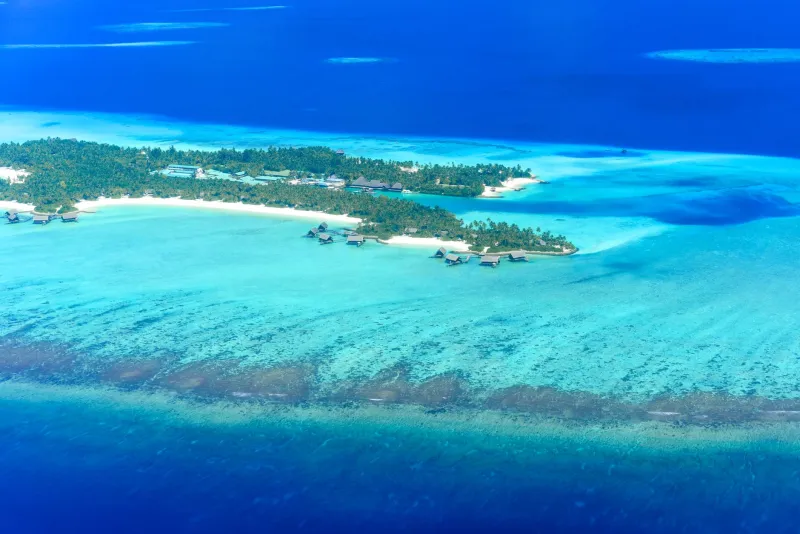
There is a version of island travel that appears in glossy publications: overwater bungalows at sunset, champagne on white sand, spa treatments overlooking the sea. And then there is another version entirely—one that never makes it into the marketing materials because, by design, it cannot be sold.
This second version is the domain of the elite island concierge. It involves a private dawn patrol with a marine biologist who has spent thirty years cataloging reef systems in the Indo-Pacific. It means receiving a quiet invitation to a coastal village ceremony that has never been attended by outside guests. It is a dinner prepared by a chef who retired from public life a decade ago but who still cooks—occasionally, and only for certain people—when asked in the right way by the right intermediary.
For travelers accustomed to purchasing their way into extraordinary experiences, this hidden tier of island luxury presents a genuine challenge: money alone does not open every door.
The Currency That Replaces Cash
At the world's foremost island resorts, the concierge team functions less like a hospitality department and more like a diplomatic corps. Their most valuable asset is not their rolodex—it is the trust embedded within it. A head concierge at a five-star property in the Maldives or the Seychelles may have spent fifteen or twenty years building relationships with local fishermen, regional government officials, independent scientists, and indigenous cultural custodians. These relationships are not transactional. They are reciprocal.
When a concierge calls in a favor from a renowned oceanographer to lead a private night dive for a guest, that favor was earned—not purchased—through years of mutual respect, referrals, and demonstrated discretion. The guest who ultimately benefits from this arrangement is, in a meaningful sense, borrowing against a social credit account they did not personally build.
Understanding this dynamic is the first step toward accessing it.
How to Begin Building the Relationship Before You Arrive
The most seasoned luxury travelers understand that the relationship with a resort's concierge team begins long before check-in. When making a reservation—particularly at a property you intend to visit for the first time—it is worth requesting an introductory call or correspondence with the head concierge rather than simply submitting a preferences form.
In that initial exchange, resist the impulse to present a wish list. Instead, offer context. Describe your genuine interests: a long-standing passion for marine ecology, a background in architecture, a desire to understand the cultural history of a region rather than simply observe it. Concierge professionals at elite properties are extraordinarily skilled at identifying guests whose interests align with the relationships they have cultivated. When they recognize a genuine point of connection, they are far more likely to extend an invitation that would otherwise remain invisible.
This approach is not manipulation. It is simply the language that elite hospitality speaks.
The Anatomy of an Off-Menu Experience
So what, precisely, do these hidden-tier experiences look like in practice?
Consider the category of private scientific expeditions. Several luxury island resorts in the Indian Ocean and the Pacific maintain informal affiliations with independent researchers—marine biologists, ornithologists, coral restoration specialists—who conduct fieldwork in the surrounding ecosystem. These researchers are not resort employees. They are independent professionals who, through the concierge's network, occasionally agree to bring a small number of guests into their work. For a traveler with a genuine interest in reef conservation, an afternoon spent tagging fish alongside a published marine ecologist represents something no amount of money can purchase through a standard booking portal.
Cultural access represents another category entirely. Across island regions from Polynesia to the Arabian Sea, local communities conduct ceremonies, festivals, and gatherings that are deeply meaningful and emphatically not designed for tourist consumption. A concierge who has spent years earning the trust of community elders may, on rare occasions, receive an invitation to bring one or two guests to witness—not participate in—an event of this kind. The distinction between witness and participant matters enormously, and a skilled concierge will prepare guests carefully in advance.
Then there is the category of culinary access: meals prepared in private homes by cooks who have never worked in a restaurant, fishing excursions with local families who have worked the same waters for generations, or market visits conducted not as a tour but as a genuine errand alongside someone who actually lives there.
What You Can Do During Your Stay
Building rapport with your concierge team during a stay requires patience and a deliberate shift in conversational posture. Rather than arriving at the concierge desk with requests, arrive with questions. Ask what is happening in the surrounding community this week. Ask what the concierge finds genuinely interesting about the region. Ask whether there is anything the resort's guests rarely take the time to notice.
These questions signal a quality of curiosity that distinguishes a guest worth going to extra lengths for. Elite concierge professionals are, at their core, people who love the places they work. When they encounter a guest who shares that love authentically, the relationship shifts.
It is also worth noting that gratuity, while expected, is less influential than gratitude expressed in specific terms. A note that references exactly what an experience meant—and why—carries more weight in a concierge's professional world than a generous envelope left at departure.
The Resorts That Excel at This
Not every luxury island property maintains a concierge team with the depth of external relationships required to unlock this tier of access. Properties that do tend to share certain characteristics: long tenure of senior staff, deep roots in the local community, and a philosophical commitment to the destination as a living place rather than a backdrop.
When evaluating a resort for this capacity, ask directly—before booking—whether the property has facilitated experiences that required external community relationships. A property that can answer this question with specific, unhesitating examples is one that has genuinely invested in the kind of network that makes the extraordinary possible.
The most pristine shores in the world offer more than scenery. They offer entire worlds operating just beneath the surface of what any catalog can describe. The concierge who knows how to navigate those worlds is among the most valuable travel companions a discerning traveler will ever encounter—provided, of course, that the traveler knows how to meet them halfway.